Anaklia Port 'Landlord' Model: Ownership, Operator, and Protection of Public Interest
State infrastructure and private operator activities do not imply a single contract. Legal assessment of the model requires selection, risk, and environmental documents.
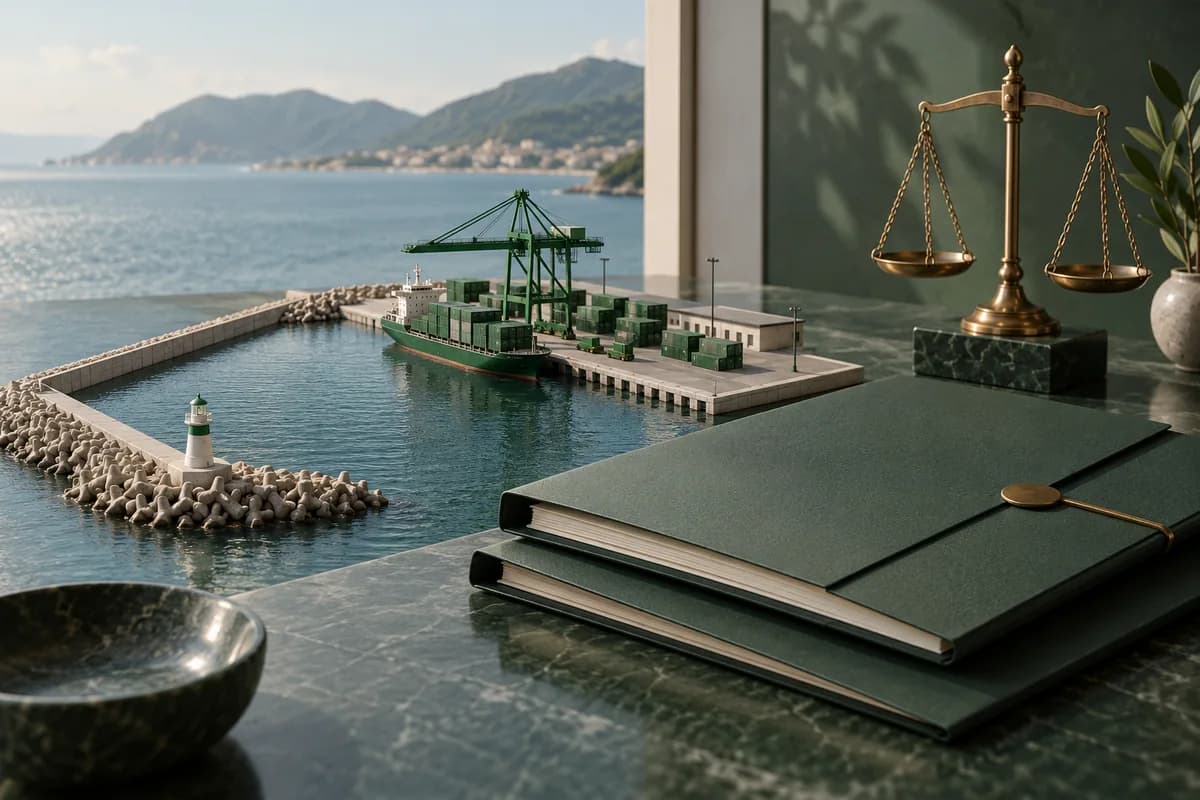
In Imedi's report of 9 October 2026, the Deputy Minister of Economy describes the Anaklia Port 'landlord' model: the state develops the infrastructure, while a private operator participates in commercial activities and cargo attraction. The report does not provide the final selection act of a specific operator or a signed contract.
Does the name of the model define the legal regime?
The widely used management name in international practice cannot establish the exact legal form of the contract. The assessment of a possible lease, concession, or other agreement depends on its actual content. State ownership and the operator's right of use are different issues; the existence of one does not determine all conditions of the other.
Article 4 of the Law on Public-Private Partnership establishes relevant criteria, including long-term duration, private financing, and risk allocation. The involvement of a private company alone is not sufficient to prove the existence of a PPP regime. A project decision, financing scheme, and contract are required.
What does the protection of public interest require?
If the cooperation is carried out within the framework of this law, Article 5 requires transparency, competition, fiscal responsibility, and environmental compliance. It needs to be clarified what the investment obligation is, the tariff regime, the quality of service, and who bears the risk of demand reduction or delay. The existence of a state guarantee cannot be confirmed solely from a public statement.
Environmental procedure remains separate
Article 12 of the Environmental Assessment Code concerns the administrative proceedings for a decision. Article 6 of the Aarhus Convention, which is binding for Georgia, protects public participation in relevant activities. Naming a commercial model does not replace a permit. A conclusion about the legality of the project requires a specific environmental act and materials demonstrating the fulfilment of its conditions.
Related clarification: Environmental Impact Assessment and Decision Stages.
Verification Date
Legislation verified as of 10 October 2026.
Sources and Legislation
NoticeThis publication is for general information and is not individual legal advice.